
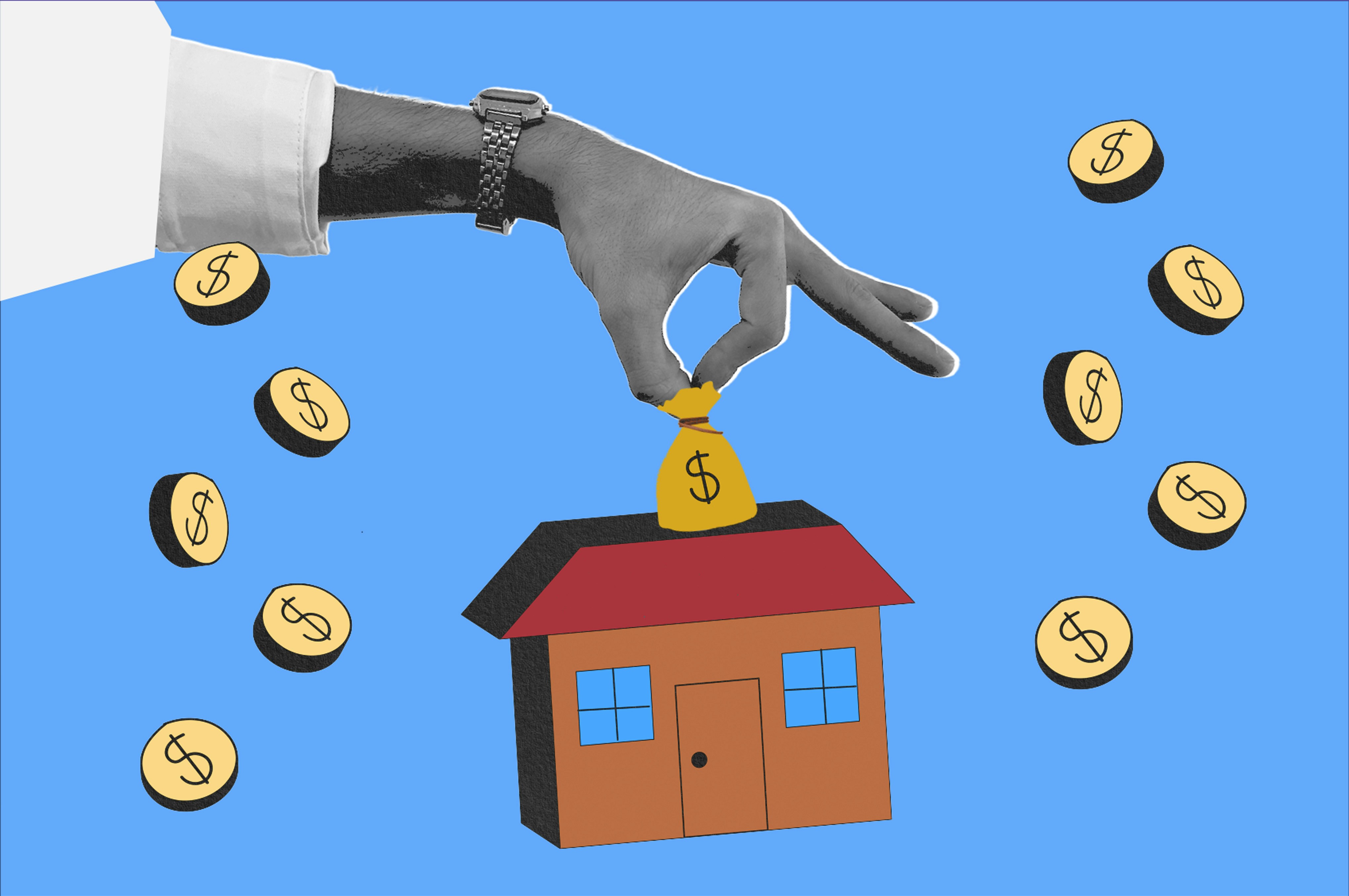
The sisterly advice every woman needs before she buys her first property.
Looking back on my journey to buying my first home, my first mistake was thinking the journey started when I began house-hunting or when I first reached out to my banker to tell them my intentions. In reality, bond readiness is something you plan for months (or sometimes years for the über-prepared amongst us) before you can say you are actually ready. If I had to do it again, this is what I would do differently.
1. Build a Good Financial Reputation via Credit Profile
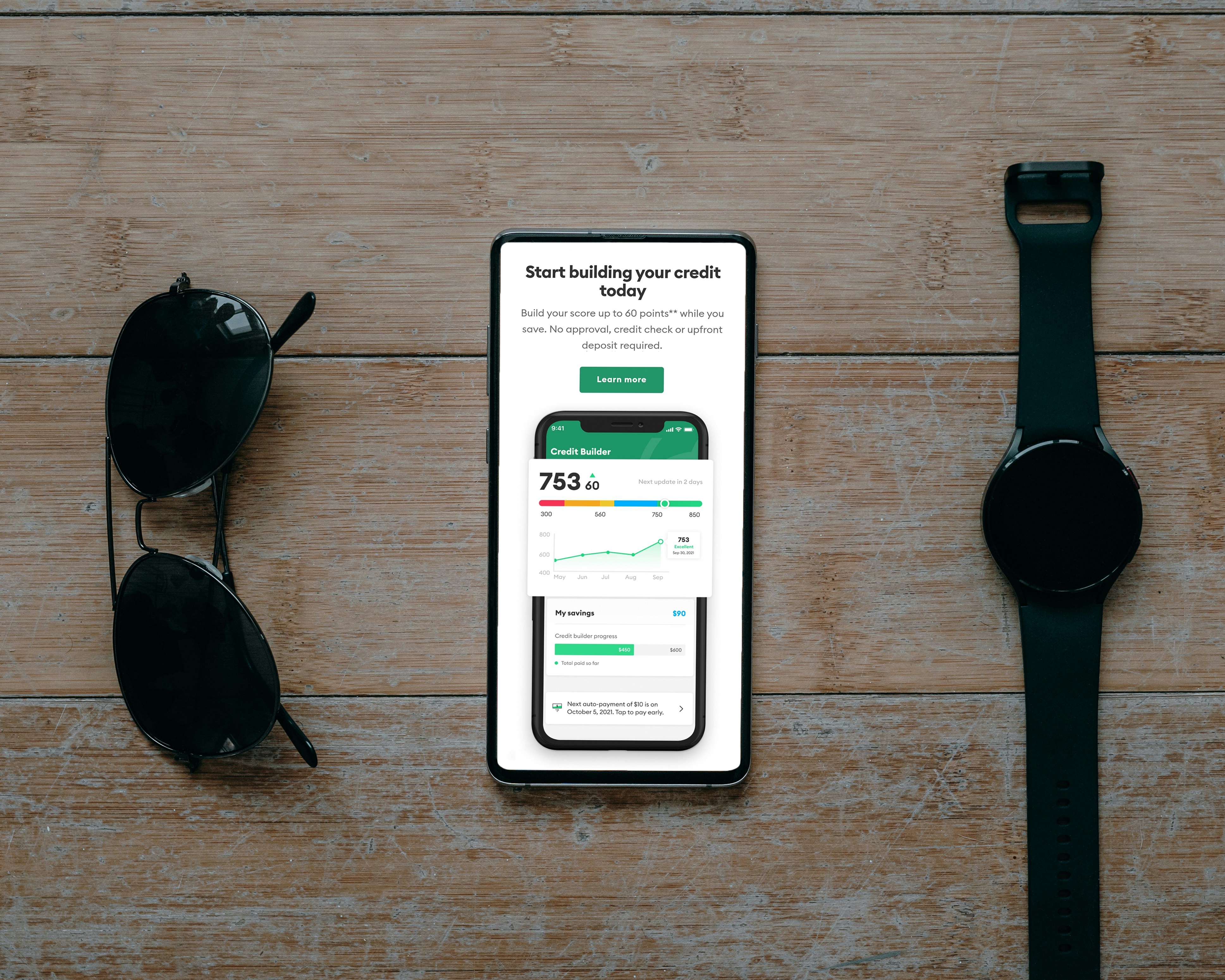
Every time you borrow from a bank or another lender, they check your credit history to see if you're a “safe bet.” A credit profile records your financial behaviour and history; it shows how you borrow and repay money. It’s your financial reputation on a page. Your credit profile matters because it affects whether banks approve your loan application and what interest rate they offer.
Some habits you can adopt to keep your credit profile in pristine condition include paying your bills on time, never exceeding your credit limit, and only applying for credit you need. Lastly, fact-check your credit profile annually (at the bare minimum) to ensure that you are always in good standing and to catch anything that may be a problem while you still have time.
2. Save for a deposit and extra costs
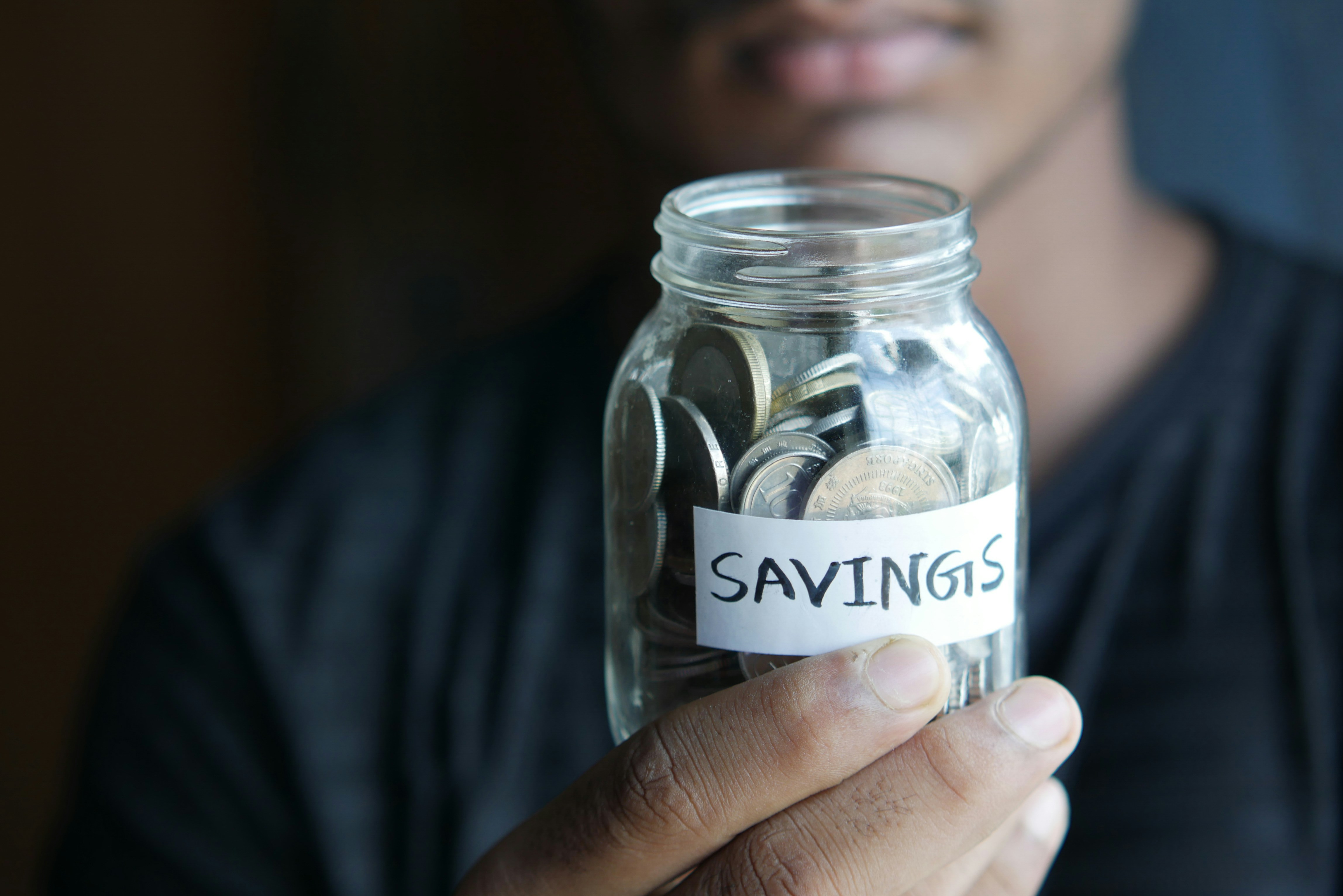
While some lenders finance 100% of mortgages, many banks require buyers to provide a down payment as part of the application process. A down payment can be anywhere from 10% to 30% of the property's total value. Save up in advance so that, if you have to make a down payment, you are in a good position to do so. You'll also have legal fees and other costs, so saving money is essential.
3. Reduce debt-to-income ratio

According to Investopedia, a debt-to-income (DTI) ratio is “a financial measure used to evaluate how much of a person's income is needed to service debt obligations, providing insight into their financial burden and creditworthiness”. In simple terms, it is the percentage of your total monthly debt relative to your total monthly income. When applying for a bond, lenders look at this, so the lower the DTI, the better. You can reduce DTI by increasing income or reducing debt.
I’ve learned that bond readiness doesn't have to be complicated; it simply requires preparation to give yourself a head start. How are you preparing to take the next big step in homeownership?